Sexual Health: Risks, Protection, and Readiness
Types of Sexual Acts and Risk Levels
Sexual activity can include many kinds of intimacy (mouth, genitals, or hands), and each carries its own risks. It’s normal to be curious but also cautious. Vaginal sex (penis in vagina) can lead to pregnancy and spread infections like chlamydia, gonorrhea, HPV and HIV[1][2]. Anal sex (penis in anus) has the highest risk for HIV of any sex act[3], and can transmit many STIs because rectal tissue can tear easily. Oral sex (mouth on genitals or anus) can spread infections such as gonorrhea, syphilis, herpes, and HPV[4][5]. (HIV risk from oral sex is very low[6], but other STIs can still pass in saliva or genital fluids.)
-
Penis–Vagina sex: Risk of pregnancy plus fluid-borne STIs (HIV, chlamydia, etc.)[1][2].
-
Anal sex: High risk for HIV (especially for the receptive partner)[3], and other STIs like hepatitis or gonorrhea. No pregnancy risk, but tears mean infections spread easily.
-
Oral sex: STI risk to mouth or throat (e.g. gonorrhea, chlamydia, HPV)[4]; HIV risk is extremely low[6]. Safe practice (condom or dam) helps.
-
Genital touching/kissing: Lower risk if no fluids exchange. Still, herpes or HPV can spread through skin or saliva contact. Kissing can transmit cold sores (HSV-1).
Remember, anyone can get an STI even if they feel healthy – many infections cause no symptoms. You could pass on an infection without knowing[7]. People of all genders and orientations face these risks. For example, men who have sex with men have especially high HIV risk in unprotected anal sex[3]. Women with women have very low HIV risk but can transmit HPV or herpes through skin/genital contact[8]. In any case, taking precautions and talking honestly with partners is key.
How Risk Changes With Protection
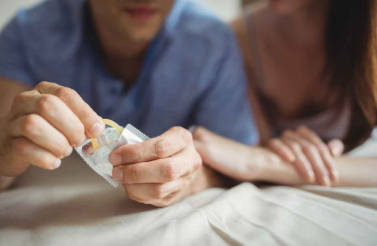
Image: A teen listens as a partner offers a condom, illustrating responsible protection use. Protection can greatly lower the chance of STIs or pregnancy, but no method is 100% foolproof[9]. The CDC explains that correctly using condoms every time on a penis provides a strong barrier against fluid-transmitted STIs like chlamydia, gonorrhea or HIV[10]. (Condoms do NOT cover all genital skin, so they can’t fully protect against infections spread by skin contact, like HPV or herpes[10].) Female condoms (internal condoms) and dental dams also block fluids and can be used for vaginal, anal, or oral sex.
Other tools can boost safety. An HPV vaccine (recommended for teens) protects against most cancer-causing strains of HPV[11]. PrEP (pre-exposure prophylaxis) is a daily medicine that greatly reduces HIV risk for people at higher risk[12] (for example, if a partner is HIV-positive). However, PrEP does not protect against other STIs or pregnancy[13] – condoms are still needed for those. Regular lubricant (water-based for latex condoms) can prevent breaks.
-
Use condoms and dental dams on genitals (penis, vagina, anus) and for oral sex[10][14]. Follow package instructions and never reuse a condom.
-
Consider HPV vaccination to cut cancer risk[11], and discuss other vaccines (hepatitis) with a doctor.
-
Get tested and get treatment: If you’re sexually active, regular health check-ups (Pap smears for those with a cervix) and STI tests help catch infections early[15]. Your partner can do the same.
-
Combine methods: using condoms and being in a mutually monogamous relationship (or PrEP for HIV) offers more protection than one method alone[2][10].
Always use protection before any genital contact. If a condom breaks, stop immediately and replace it. Carry condoms so you won’t have to make risky choices on the spot. These measures greatly reduce (but do not completely eliminate) risks of STIs or pregnancy[9].
Substance Use and Sexual Safety
Drugs and alcohol can seriously affect sexual safety. Under the influence, people often make riskier choices. The CDC notes that using drugs or drinking can “alter your judgment, lower your inhibitions, and impair your decisions about sex”[16]. For example, someone who is drunk or high is more likely to skip using a condom or to have sex with multiple partners[17].
-
Impaired consent: A person who is very drunk or drugged cannot fully consent to sex. If someone cannot say “yes” clearly, any sexual activity is not consensual – in fact, sex with an intoxicated partner is considered rape[18].
-
Higher risk behaviors: Being under the influence may lead to unsafe acts (like condomless anal/vaginal sex)[17]. It also increases the chance of injuries or emotional regrets.
-
Plan ahead: If you plan to drink, set rules and have protection ready. For example, keep condoms on hand and agree with your partner ahead of time about boundaries. This way, even if you drink, you’re less likely to be caught unprepared.
In short, remaining sober and clear-headed is safest. If you do drink or use drugs, make extra effort to use protection and to communicate with your partner. Trust your instincts: if a situation feels unsafe or confused because of substances, it’s better to stop or wait.
Pregnancy Options and Support Resources
There are many ways to enjoy intimacy while keeping risks lower. Here are some practical tips:
-
Limit partners and communicate: Having fewer partners (or staying with one partner who is also monogamous) reduces exposure to infections[19]. Before sex, talk honestly with your partner about past partners, STI testing, and any concerns. Open communication (about likes/dislikes and protection) helps both feel safe.
-
Use protection consistently: Always use condoms (latex or polyurethane) on penises for anal or vaginal sex, and use condoms or female condoms on penises during oral sex[14][20]. For oral sex on a vagina or anus, use a dental dam or cut-open condom to cover the area. Correct use is key – don’t reuse condoms, and avoid oil-based lube with latex.
-
Get vaccinated: If you’re eligible, get the HPV vaccine (which can prevent most cervical and other cancers)[11]. Also keep up with other vaccines and health care.
-
Regular check-ups: See a health care provider for routine exams and STI tests as recommended for your age[15]. If you notice any unusual symptoms (sores, discharge, pain), avoid sex and get checked. Early treatment can cure many infections like chlamydia.
-
Consider safer activities: You can be intimate in ways that don’t involve fluid exchange. Mutual masturbation, kissing, or using sex toys (with cleaning or condoms on the toy) generally have much lower risk than unprotected sex. CHOP experts suggest exploring activities other than intercourse to avoid exchange of fluids[21]
Every person and situation is different. Use multiple strategies (for example, condoms plus vaccination) to stack protection. Asking your partner to test for STIs and sharing those results can also lower risk. Above all, doing what makes you both comfortable and informed is the safest choice[19].
Choosing Whether You’re Ready
Deciding to have sex is a personal choice. There is no right age or timeline; everyone’s feelings are different. The UK Teen Health service reminds us that “only you can decide whether or not you want to have sex” and that you should never feel pressured by others[22][23]. It’s completely okay to wait until you feel truly ready. Saying “no” is always your right (and “no means no” for your partner as well)[24].
Ask yourself and your partner: Do I feel comfortable and safe? Am I ready to communicate openly? If you feel embarrassed to talk about sex or uncomfortable with any part of it, those are signs you might not be ready[25][26]. Remember, consent must be given freely by both people. You have the right to give permission only when you want to, and to change your mind at any time[27]. No one should make you do something you don’t want; likewise, always respect your partner’s decision to say stop.
It’s okay to be nervous or have mixed feelings. Good sex is not just about the act – it’s also about trust and mutual respect. If you’re unsure, talking to a trusted adult or counselor can help you sort out your feelings (even though the final decision is yours). By taking time, educating yourself, and waiting until you feel emotionally and physically ready, you’re practicing self-respect and keeping yourself safer.
Sources
[2] Principles of Epidemiology: Lesson 5, Appendix B|Self-Study Course SS1978|CDC
https://archive.cdc.gov/www_cdc_gov/csels/dsepd/ss1978/lesson5/appendixb.html
[4] [5] [6] [7] About STI Risk and Oral Sex | STI | CDC
https://www.cdc.gov/sti/about/about-sti-risk-and-oral-sex.html
[8] [11] About Genital HPV Infection | STI | CDC
https://www.cdc.gov/sti/about/about-genital-hpv-infection.html
[23] [27] Are you ready for sex? - information and support — Teen Health 11 - 19 Service
https://www.teenhealth.org.uk/health-topics/are-you-ready-for-sex/